Anúncios
Personal loans are a versatile financial tool that can be used for a variety of purposes, from consolidating debt and funding home improvements to covering unexpected expenses or financing large purchases. While they can provide much-needed financial relief or enable you to achieve specific goals, it’s crucial to understand how personal loans interact with your credit score. This comprehensive guide delves into the intricacies of personal loans and their potential impact on your creditworthiness, providing actionable insights for responsible financial management.
Understanding the Fundamentals of Credit Scores: A Measure of Creditworthiness
Anúncios
A credit score is a numerical representation of your creditworthiness, essentially a snapshot of how likely you are to repay borrowed money. Credit bureaus, such as Equifax, Experian, and TransUnion, calculate these scores using complex algorithms that analyze your credit history and financial behavior. The most commonly used scoring models are FICO and VantageScore, with scores typically ranging from 300 to 850. Higher scores indicate better creditworthiness, making it easier to qualify for loans, credit cards, and other financial products at favorable interest rates.
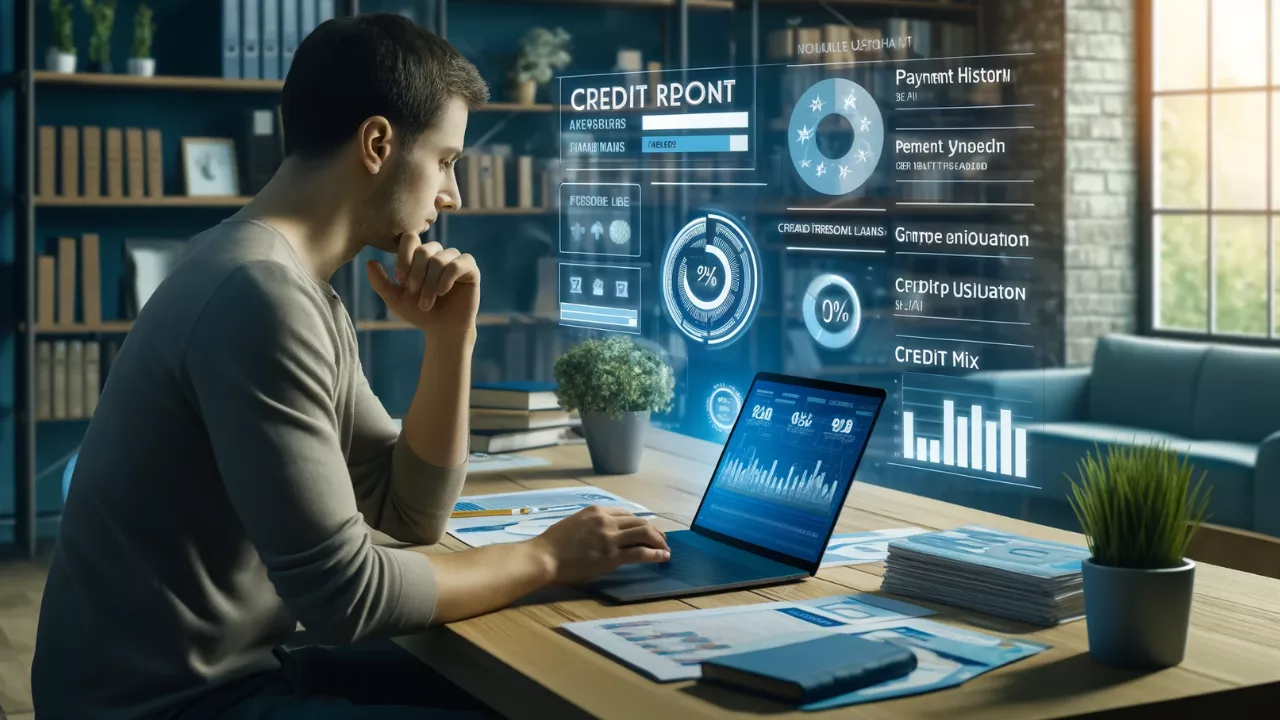
Several key factors influence your credit score:
Anúncios
- Payment History (35% of FICO Score): This is the most significant factor. It reflects your record of making on-time payments on all your credit accounts, including credit cards, loans, and other lines of credit. Even a single missed or late payment can negatively impact your score.
- Credit Utilization (30% of FICO Score): This refers to the percentage of your available credit that you are currently using. For revolving credit accounts like credit cards, it’s calculated by dividing your outstanding balance by your credit limit. Keeping your credit utilization low (ideally below 30%) is crucial for maintaining a healthy credit score.
- Length of Credit History (15% of FICO Score): This factor considers how long your credit accounts have been open and active. A longer credit history generally demonstrates greater creditworthiness.
- Credit Mix (10% of FICO Score): Having a diverse mix of credit accounts, including credit cards (revolving credit), installment loans (like personal loans and auto loans), and mortgages, can positively impact your score. It shows lenders that you can manage different types of credit responsibly.
- New Credit Inquiries (10% of FICO Score): Applying for new credit results in a “hard inquiry” on your credit report. Multiple hard inquiries within a short period can temporarily lower your score, as it may suggest that you are seeking credit due to financial difficulties.
The Impact of Personal Loans on Your Credit Score: A Detailed Analysis
Personal loans, as installment loans, have a unique impact on your credit score. Here’s a breakdown of how they affect each of the key scoring factors:
- Payment History: The Most Critical Factor: Like any other credit account, your payment history on a personal loan is the most significant factor influencing your credit score. Making consistent, on-time payments demonstrates responsible debt management and positively impacts your score. Conversely, missed or late payments can significantly harm your score and remain on your credit report for several years.
- Credit Utilization: Indirect Impact on Overall Debt Load: While personal loans themselves don’t have a utilization rate in the same way as credit cards, they still contribute to your overall debt load. If you have high credit card balances in addition to a personal loan, your overall debt-to-income ratio (DTI) can increase, which can indirectly affect your credit score. Managing your credit card balances and keeping your DTI low is important even when you have a personal loan.
- Length of Credit History: A Dual Effect: Personal loans can impact your credit history in two ways:
- Opening a New Account: Opening a new personal loan account can slightly lower the average age of your credit accounts, which can have a minor, temporary negative impact on your score. However, as you make timely payments and the loan ages, it will eventually contribute positively to your credit history.
- Consolidating and Closing Old Accounts: If you use a personal loan to consolidate existing debt and subsequently close the old accounts, it can potentially shorten your credit history, especially if those accounts were among your oldest. Keeping older accounts open (even if you don’t use them regularly) can help maintain a longer credit history, provided they don’t have annual fees.
- Credit Mix: Adding Diversity to Your Credit Profile: Personal loans add to your credit mix, which can be beneficial, especially if your credit profile primarily consists of revolving credit accounts like credit cards. A diverse credit mix demonstrates your ability to manage different types of credit responsibly.
- New Credit Inquiries: A Temporary Dip: Applying for a personal loan will result in a hard inquiry on your credit report. This can temporarily lower your credit score by a few points. However, the impact is usually minimal and recovers over time, especially if you manage the new loan responsibly. It’s crucial to avoid applying for multiple loans or credit cards within a short period, as multiple hard inquiries can have a more significant negative impact.
Best Practices for Managing Personal Loans and Maintaining a Healthy Credit Score:
To maximize the positive impact of personal loans and minimize any potential negative effects on your credit score, follow these best practices:
- Make On-Time Payments Every Time: Set up automatic payments or reminders to ensure you never miss a payment. Even a single late payment can have a significant negative impact.
- Manage Your Credit Card Utilization: Keep your credit card balances low, ideally below 30% of your credit limits. This demonstrates responsible credit utilization and helps maintain a healthy credit score.
- Consider Keeping Older Accounts Open (If No Annual Fees): If you use a personal loan to consolidate debt, consider keeping older credit card accounts open (if they don’t have annual fees) to preserve your credit history.
- Maintain a Diverse Credit Mix: Aim for a healthy mix of credit cards, installment loans, and other types of credit.
- Limit New Credit Inquiries: Only apply for new credit when you genuinely need it. Avoid applying for multiple loans or credit cards within a short period.
- Monitor Your Credit Report Regularly: Regularly check your credit reports from all three major credit bureaus to identify any errors or inaccuracies and track your credit score progress.
Conclusion: Using Personal Loans Responsibly for Financial Well-being
Personal loans can be a valuable financial tool when used responsibly. By understanding how they impact your credit score and following the best practices outlined in this guide, you can leverage personal loans to achieve your financial goals without negatively affecting your creditworthiness. Responsible financial management is key to maintaining a healthy credit score and accessing favorable financial opportunities in the future. Remember, a personal loan is a financial commitment, and managing it responsibly is essential for your overall financial well-being.